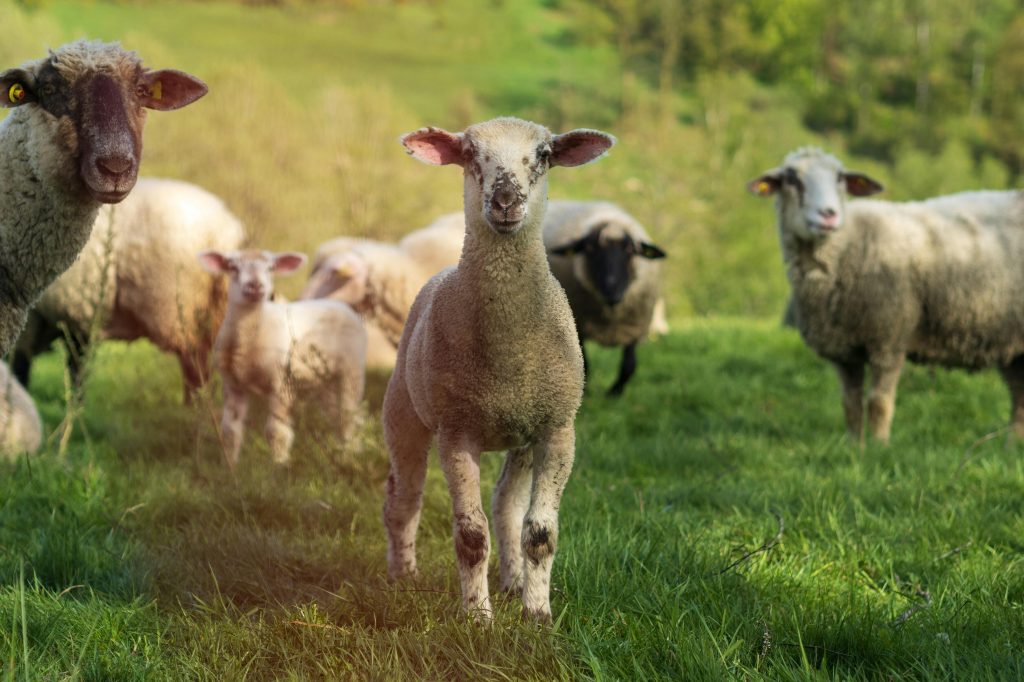
Livestock worrying by dogs is an issue that most farmers will face at some point, and for those with public footpaths running through or alongside their land, it can be a regular and ongoing concern. The financial and emotional impact can be significant, particularly when incidents result in injury, loss of stock, or long-term stress to animals.
Until recently, penalties for owners of dogs that worry livestock have been limited, with fines capped at £1,000. In many cases, farmers are left out of pocket, and that’s assuming the dog owner is identified at all.
However, effective from the 18th March 2026, the Dogs (Protection of Livestock) (Amendment) Act 2025 aims to strengthen protections for farmers and improve how these incidents are handled.
What will change
The amendment introduces several important updates:
- Unlimited fines for owners whose dogs are found to have worried livestock
- A clearer distinction between attacking and worrying livestock
- Expanded coverage to include incidents on roads and public paths, not just within private, fenced areas
- Greater powers for police when investigating incidents
- Inclusion of camelids (such as alpacas and llamas) within the legal definition of livestock
These changes signal a more serious approach to enforcement and recognition of the real impact livestock worrying has on farming businesses.
But beyond the legal changes, this also reflects a wider shift in expectations around responsible dog ownership – particularly when it comes to where and how dogs are exercised.
A shift in dog owner behaviour
As awareness grows and penalties increase, many dog owners are becoming more cautious about where they let their dogs off lead, especially in rural areas.
Any dog is capable of worrying livestock, but for owners of high-energy, reactive, or unreliable dogs in particular, the risks are now clearer than ever. As a result, demand is continuing to grow for secure dog fields and private dog walking spaces, where dogs can exercise safely without the risk of encountering livestock.
This shift in behaviour is already underway, and these legislative changes are likely to accelerate it.
How this creates an opportunity for farmers
It’s no secret that many farming businesses are under increasing financial pressure, with diversification becoming less of an option and more of a necessity.
In that context, farmers are often looking for opportunities that are:
- Practical to implement
- Low maintenance once established
- Able to generate consistent, repeat income
- Compatible with existing land use
One increasingly popular option is running a secure dog exercise field.
This type of diversification works well for several reasons:
- Relatively low ongoing workload compared to other rural enterprises
- Makes use of smaller or less productive areas of land
- Generates repeat bookings from local dog owners
- Can be simple to manage with the right booking system in place
With tougher penalties now in place for livestock worrying, the demand for safe, enclosed alternatives to public walking spaces is only expected to increase further.
Dog walkers who may previously have relied on local footpaths or open land are increasingly choosing dog field rental instead – creating a reliable and growing customer base.
Reducing risk while generating income
While stronger penalties are a step forward, they don’t undo the damage caused when livestock are attacked. Prevention remains far more effective than enforcement.
Providing a secure dog field offers a practical way to address both sides of the issue.
On one hand, it creates an additional income stream for your business. On the other, it helps reduce the likelihood of incidents by:
- Discouraging off-lead walking near livestock
- Offering a safe alternative for dog owners who want peace of mind
- Redirecting potentially risky behaviour away from farmland
In this way, secure dog fields don’t just benefit individual businesses, they can contribute to reducing livestock worrying at a local level.
Getting started
If livestock worrying is a concern in your area, and you’re already considering diversification, a secure dog field could be a practical option.
Getting started doesn’t need to be complicated. The key considerations typically include planning permission, fencing, access, and how you manage bookings – but with the right setup, it can become a straightforward and reliable addition to your farm business.
If you’d like to explore the next steps, you can read more in our related guides or get in touch to see how Muddy Booking can help you manage your dog field simply and efficiently.