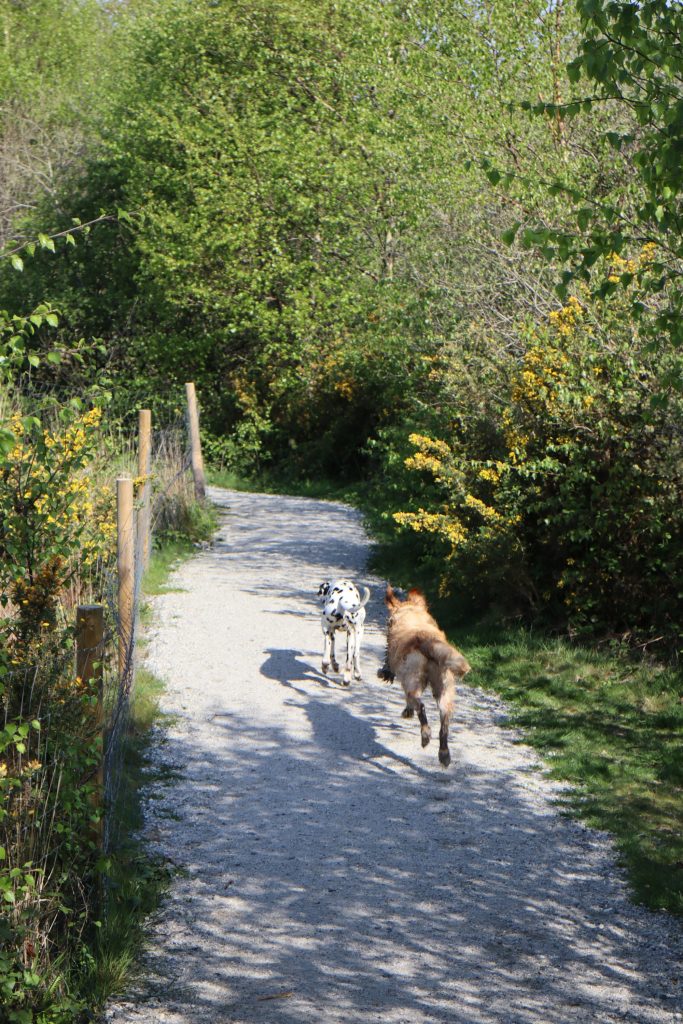
Secure dog fields have grown rapidly in popularity over the past few years. With more dog owners seeking safe, private spaces to exercise reactive or high-energy dogs, many rural landowners are now asking:
Is a secure dog field actually a profitable business – or just a passing trend?
If you are considering a secure dog field as a means of diversification for your rural business, this guide delves into the financial realities, operational requirements and what creates long-term success.
Why demand for secure dog fields continues to grow
Dog ownership has increased significantly since the pandemic, and with it comes new challenges for owners. Many dogs now:
- Have limited recall
- Are reactive to other dogs or people
- Fall under expanding Breed Specific Legislation restrictions
- Struggle in busy public spaces
Because of this, owners are increasingly valuing controlled, private environments where their dogs can play safely. For many, a secure field isn’t a luxury anymore, it’s a necessity, creating a steady demand. Demand creates opportunity, but alone doesn’t guarantee profitability.
The core costs of running a dog field business
Setup costs will vary depending on location, land condition and fencing requirements. However, it’s ongoing operation costs that will have the biggest impact on profitability:
Typical recurring costs may include:
- Insurance
- Maintenance and repairs
- Grass cutting and land management
- Waste disposal
- Utilities (such as water or lighting)
- Payment processing fees
- Booking administration
The cost that many new operators underestimate is administration time.
If you manage bookings manually through texts, social media messages and spreadsheets, the time commitment can quickly grow as bookings increase. This often pulls you away from your main business and reduces the effective return on your land.
Operational efficiency plays a much bigger role in profitability than people expect.
Revenue potential: what drives income?
Several factors influence how much revenue your dog field can generate.
Location & local demand
Most owners want a quiet, safe space that is still easily accessible. Fields that are a short drive from populated areas such as towns or villages, but still have a secluded feel, see higher booking volumes.
Pricing structure
Most dog fields offer 30 minute and 60 minute slots. Revenue will depend on:
- Number of slots available each day
- Your average occupancy rate
- Seasonal demand fluctuations
Facilities
In areas where there are already many dog fields, facilities can make a real difference. Popular additions include:
- Shelter and seating
- Drinking water
- A swimming area
- Dog washing facilities
- Woodland or natural cover
- Agility equipment
- Sandpits or digging zones
Booking accessibility
If customers can’t book quickly and easily online, many simply won’t book at all.
Marketing visibility
Clear signage, social media presence and word-of-mouth recommendations are all essential in getting your field noticed.
Trust and safety
Regular customers are the backbone of a successful dog field. A smooth booking experience alongside a well maintained, safe and clean field keeps customers coming back.
Where profitability is won or lost
A secure dog field can look successful on paper but under perform in practice. Here’s where profit is often gained – or quietly lost.
Poor maintenance
If grass becomes overgrown, dog poo isn’t cleared, or fencing isn’t checked regularly, your customers will quickly go elsewhere.
Missed or double bookings
Customers expect their slot to be private and reliable. Double bookings, unclear booking times or incorrect gate codes lead to refunds, lost trust and negative reviews.
Time spent managing messages
Taking bookings through text, phone or social media costs you time, and therefore money.
Complicated payment collection
Chasing payments and dealing with cash creates unnecessary administration and can result in unpaid bookings.
Poor cancellation handling
Without a clearly defined cancellation policy or wait list system, last-minute cancellations can lead to empty slots that could otherwise have been re-booked.
Is a secure dog field right for your land?
Before investing, ask yourself:
- Do you have suitable vehicle access to the land?
- Is there demand in your area?
- Can you install secure fencing to the required?
- Are you prepared to run it as a genuine business?
- Have you calculated realistic income projections?
If the answer is yes, a secure field could be a strong diversification opportunity.
So, are secure dog fields profitable?
In many cases, yes. Secure dog fields offer:
- Relatively low start up costs in comparison to other rural ventures
- Predictable overheads
- Growing demand from dog owners
- The potential for loyal, repeat customers
- The ability to improve and expand facilities over time
However, profitability is dependent on planning, maintenance and efficient management. Landowners that treat it seriously are far more likely to see steady returns.
Like anything, a secure dog field can’t promise a guaranteed income. But if the land, location and management are correct, it can become a reliable and manageable income stream.